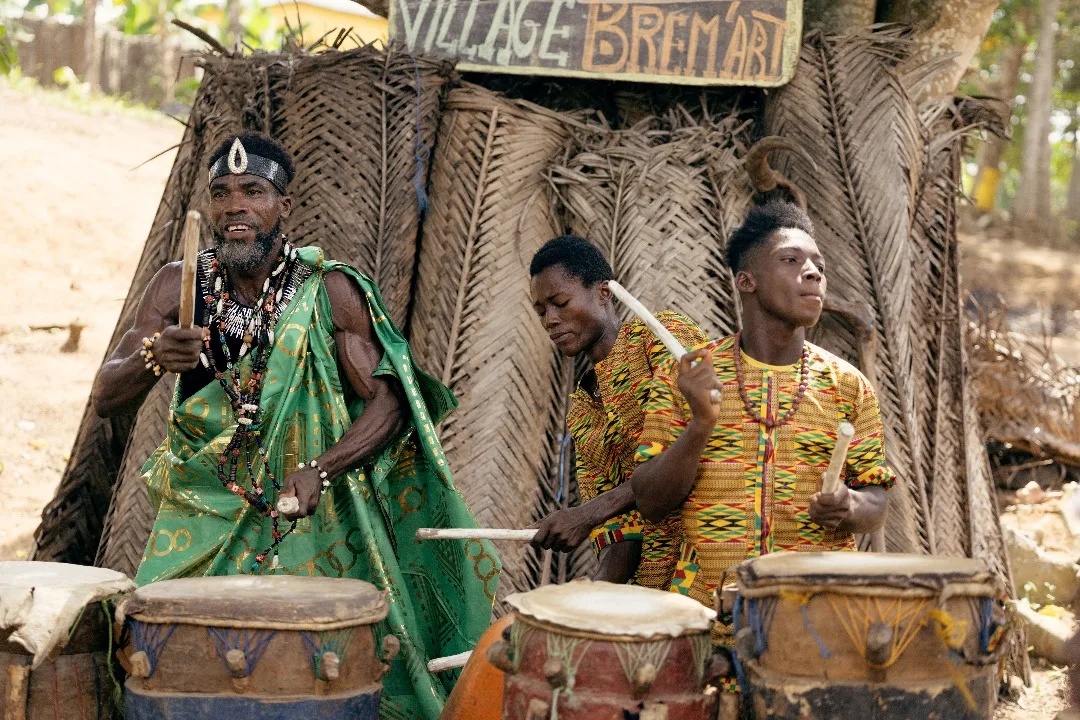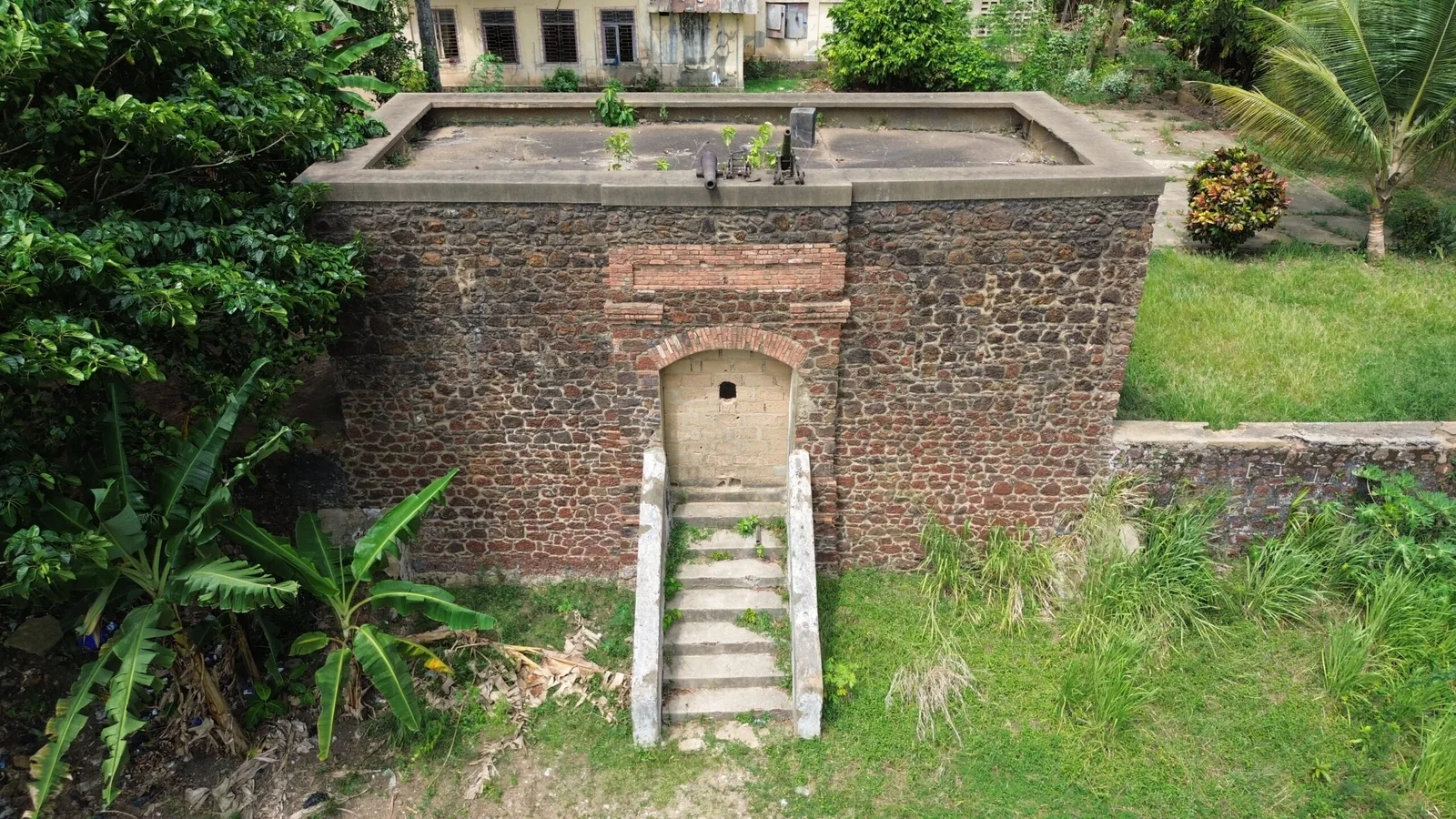
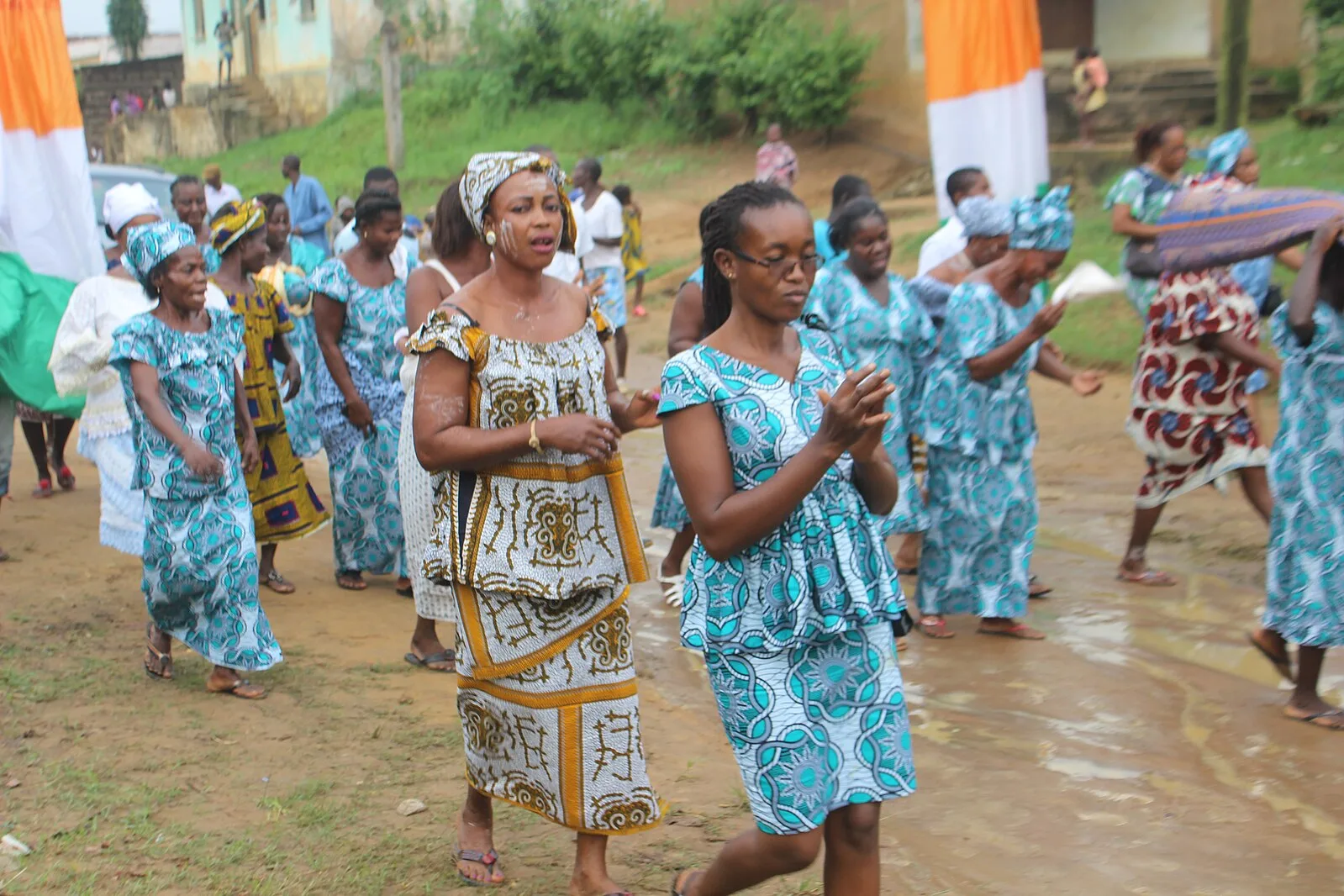
The Adioukrou are a people of southern Côte d’Ivoire, specifically the lagoon region. Also known as the Lebutu (Leboutou) people, they are of Krou origin and have a matrilineal culture inherited at a decisive moment in their history.
Origins and migrations
The Adioukrou arrived at Armébé, one of today’s villages in the Dabou area, between the eighteenth and nineteenth centuries after leaving Divo, a Dida town in Côte d’Ivoire. According to historical accounts, they then reached the ‘Go’ River between Grand-Lahou and Fresco. At that point in their journey they had to cross the river, but a spirit demanded a human sacrifice. As no member of the community seemed prepared to offer a child, the chief’s sister, Akmétché Lock, decided to make the sacrifice. She offered her child to the river spirit. In recognition of her devotion, her brother, the chief, established matrilineal succession for generations to come. Since then, tradition has held that an Adioukrou chief is succeeded by his nephew on his death.
The Adioukrou and the Akan people
Adioukrou migration was marked by encounters with other ethnic groups, contributing to the cultural diversity of the region they inhabit. According to the Ivorian sociologist Professor Harris Foté Memel, the first Adioukrou villages in the region were founded by populations from the West. Later, with the migration of Akan peoples, Akan customs and traditions influenced the Adioukrou way of life. Their civilisation was gradually shaped by Akan cultural traits. Akan garments such as Kita are now worn by the Adioukrou.