
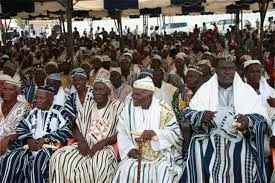
At the heart of Ivorian traditions, Guéré clothing is a powerful emblem of Guéré identity. Far more than simple garments, it embodies the history, social structure and values of a people deeply attached to its roots.
The hidden language of Guéré cloth and tunics
For the Guéré, traditional clothing is not merely practical: it conveys social status, family belonging and roles at key stages of life. A richly embroidered cloth or a particular tunic distinguishes initiates, heads of household and young people of marriageable age. Colours and patterns often reveal belonging to a clan or to a lineage.
Clothing for major occasions
- Weddings: Guéré wedding attire is made with fabrics bearing distinctive motifs and worn with accessories—jewellery and hairstyles—that signal the family’s status and means.
- Rites and funerals: Ritual ceremonies require symbolic garments, sometimes inherited from ancestors, strengthening the connection to tradition.
- Community celebrations: During village festivals or mask ceremonies, particular outfits are worn to express solidarity and the identity of the group.
Transmission and modernity
Despite changing fashions and the growing influence of ready-to-wear clothing, making Guéré garments remains highly valued. Many families pass their know-how on to younger generations, teaching weaving and traditional dyeing. Maintaining these costumes reflects a wish to preserve collective memory and resist cultural homogenisation.
By wearing traditional garments at major events, the Guéré affirm their cultural distinctiveness and their attachment to ancestral values. Guéré cloth stands for belonging, respect and transmission.